Professional Leadwork Services in Darlington & County Durham
Home » Leadworks
Get A Quote
Need expert roofing? Contact us today for your free, no-obligation quote.
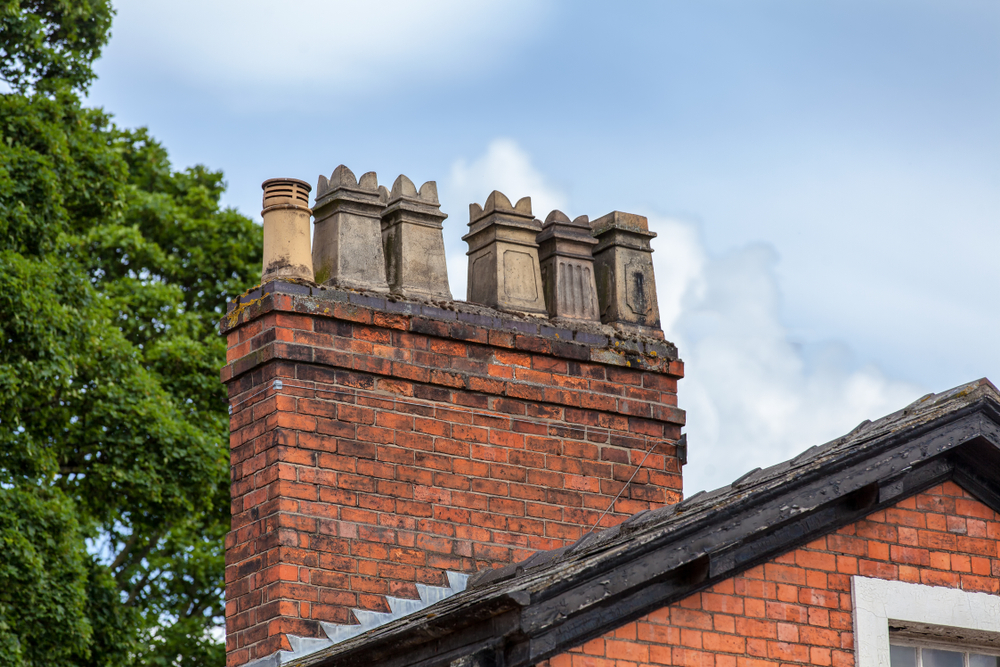
With over 10 years’ experience, Xtreme Pressure Cleaning and Roofing Service are Darlington & County Durham’s trusted choice for professional leadwork installation, repairs, and replacement services. Based in Durham, we serve homeowners and businesses throughout the region with reliable, high-quality lead roofing solutions for flashings, valleys, flat roofs, and weathering details. Our specialist roofing team uses traditional lead working techniques combined with modern best practices to deliver leadwork that provides decades of weatherproof performance. Whether you need new lead installation during roof projects, lead flashing replacement addressing roof leaks, or specialist leadwork for chimneys and complex roof details, we deliver outstanding results with comprehensive guarantees and full insurance coverage. Our technicians are fully trained in lead work and hold relevant qualifications for working at height, ensuring your leadwork is installed to industry standards and Building Regulations requirements as part of our comprehensive roofing services.
Lead Flashing Installation
Expert installation of stepped flashings, abutment flashings, and chimney leadwork providing weatherproof junctions between roofs and walls. Using code 4 and code 5 lead properly dressed and secured to masonry and roof coverings. Superior to cement fillets and mortar haunching that crack and fail.
Valley & Flat Roof Leadwork
Specialist leadwork for valleys where roof slopes meet and flat roof applications. We install proper expansion joints preventing fatigue cracking, secure lead using traditional clips rather than nails through the sheet, and ensure adequate falls for drainage. Often combined with flat roof replacement or roof repairs for comprehensive solutions.
Our leadwork service covers all aspects of lead roofing for domestic and commercial properties across Darlington & County Durham. We specialise in replacing failed leadwork that’s causing roof leaks, one of the most common roofing problems. Lead eventually fails through fatigue cracking (lead expands and contracts with temperature changes, eventually developing cracks), poor installation (incorrect fixing methods causing premature failure), physical damage from foot traffic or falling debris, and inadequate specification (using too-thin lead for the application). Our comprehensive leadwork service includes stepped lead flashings at abutments (where roofs meet walls), chimney lead flashings at base of stacks (front aprons, back gutters, side flashings), valley leadwork where two roof slopes meet, flat roof lead covering for small areas, lead slates around soil pipes and roof penetrations, parapet wall leadwork including cover flashings and damp-proof courses, and lead box gutters behind parapet walls or between roof sections. We use appropriate lead codes (thickness) for each application – typically code 4 (1.8mm thick) for most flashings and code 5 (2.24mm thick) for heavier-duty applications like valleys, flat roofs, and high-exposure locations. Many of our leadwork clients combine work with chimney repairs or roof repairs addressing all roofing issues comprehensively. Every installation uses proper lead working techniques including adequate expansion provision (lead sheets should never exceed 1.5-2 metres length without joints), traditional clip fixing rather than nails through lead, proper dressing and welting for weatherproofing, and secure fixing to masonry and roof structures. Our friendly team takes pride in traditional lead work craftsmanship. Special discounts available for over 65’s on all domestic roofing projects.

Why Choose Xtreme for Leadwork in Durham?
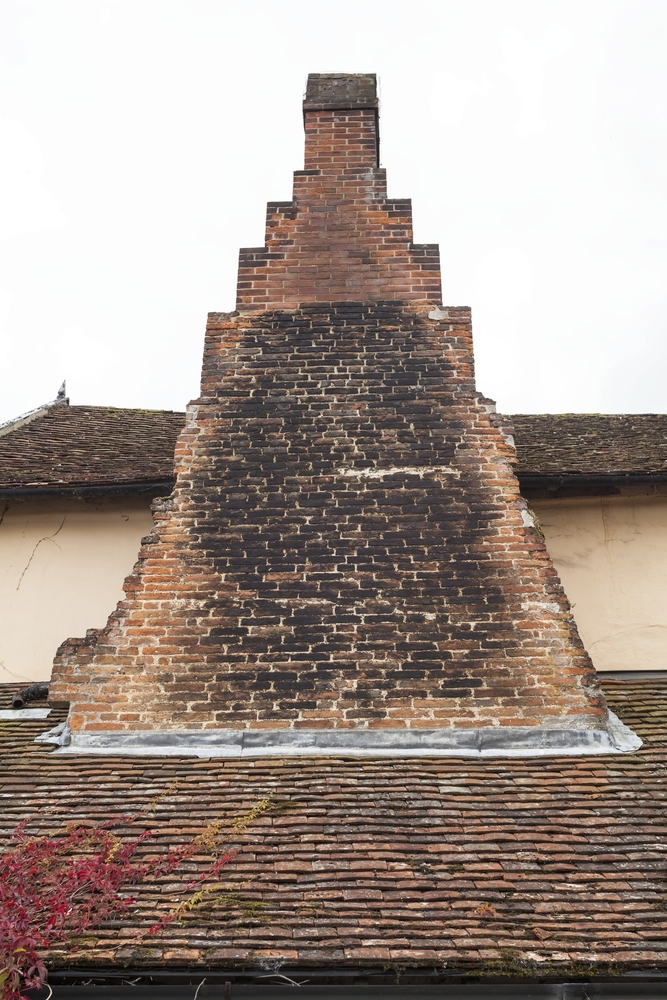
With a decade of experience serving Darlington & County Durham, we combine traditional lead working skills with genuine roofing expertise to deliver exceptional leadwork installations. Leadwork requires specialist knowledge and practical skills that many modern roofers lack – proper lead dressing, expansion provision, fixing techniques, and understanding when different lead codes are appropriate. Our team includes experienced roofers trained in traditional lead working who understand that shortcuts in leadwork inevitably cause premature failure and expensive leaks. We use only milled lead sheet conforming to BS EN 12588 from established suppliers, ensuring quality materials with predictable performance. Our insurance coverage includes full public liability protection, giving you complete peace of mind for work affecting your property’s weatherproofing. We understand Building Regulations requirements for lead work particularly relevant for new installations and extensions. Our reputation is built on reliability, quality craftsmanship addressing leak problems permanently rather than temporarily, fair pricing for skilled work, and honest advice about when leadwork needs replacement versus repair. Whether you need specialist leadwork for complex roof details or straightforward flashing replacement, we’re here to help. Contact us today for your free, no-obligation roof inspection and detailed written quotation, and discover why Darlington & County Durham homeowners trust Xtreme Pressure Cleaning and Roofing Service for all their leadwork needs.
Areas We Serve Across Darlington & County Durham
Xtreme Pressure Cleaning and Roofing Service proudly serves properties throughout Darlington & County Durham and the surrounding areas. Our leadwork teams regularly work in Durham City Centre, Framwellgate Moor, Newton Hall, Gilesgate, Neville’s Cross, Carrville, Pity Me, and Brasside. We also cover Chester-le-Street, Brandon, Langley Moor, Bowburn, Coxhoe, Ferryhill, Spennymoor, Bishop Auckland, and Crook. Whether you’re in a residential area requiring lead flashing replacement addressing roof leaks or operating commercial premises needing specialist leadwork, we travel throughout the region to deliver professional leadwork services. Our local knowledge means we understand Darlington & County Durham’s architectural heritage including period properties requiring sympathetic leadwork respecting original construction methods. Darlington & County Durham’s weather conditions are particularly demanding for leadwork – wind-driven rain tests flashing weatherproofing whilst temperature variations cause expansion and contraction. Failed leadwork is one of the most common causes of roof leaks across the region, affecting properties of all ages and types. No job is too small or too large – we handle everything from single lead slate replacement to complete valley relining and extensive commercial leadwork. Many of our leadwork clients also take advantage of our roof cleaning services whilst we’re accessing their roof with scaffolding in place.
Our Professional Leadwork Process
When you contact Xtreme for leadwork, you’re getting a comprehensive, quality-focused service from start to finish. We begin with thorough roof inspection accessing your roof safely to assess leadwork condition, photograph failed or damaged leadwork, identify leak sources (water often travels along timbers before appearing inside, so leak location doesn’t always indicate where water enters), and understand the scope of work required. This detailed inspection is crucial as leadwork problems are often only fully visible when accessing the roof – ground-level assessment can miss critical issues.
Our inspection allows us to provide accurate quotations specifying lead code to be used (thickness appropriate for the application), area to be covered in square metres, fixing and support methods, and any associated work required (such as repairing timber or masonry that’s been damaged by water penetration). We explain why leadwork has failed and how our installation prevents recurrence.
Once you accept our quotation, we schedule your project with realistic timescales. Typical leadwork projects take 1-3 days depending on scope and complexity. Extensive valley work or complete chimney leadwork takes longer. We arrange appropriate access equipment – leadwork requires scaffolding or roof ladders with proper safety equipment. Before work begins, we discuss access arrangements, protecting your property, and our working practices.
For lead flashing replacement at abutments (where roofs meet walls), we begin by carefully removing failed flashings, chipping out old lead from mortar joints where stepped flashings were fixed, and inspecting the wall and roof covering beneath for any damage from water penetration. We repair any damage to underlying materials before installing new leadwork – installing lead over damaged substrates compromises the installation.
We then install new stepped lead flashings using proper techniques. For abutments running up roof slopes (the most common configuration), this involves cutting code 4 or code 5 lead sheet to appropriate size allowing for proper overlap and dressing, forming steps corresponding to tile or slate courses (typically 150mm height x 150mm length steps), dressing lead down over roof covering by minimum 150mm, dressing lead up wall face by minimum 75-100mm (Building Regulations require minimum 75mm), tucking lead into mortar joints (joints are raked out appropriately before installation), securing lead in joints using proper wedges or clips (never nails through the lead), repointing joints using appropriate mortar, and dressing lead neatly over tile or slate edges. Each stepped flashing piece overlaps the piece below by minimum 100mm preventing water tracking backwards.
For chimney leadwork, we address all four sides of the stack. Front apron flashings are formed in single pieces dressed down over roof tiles, up chimney face, and secured into joints. Back gutters (upslope side of chimneys) are particularly critical as they channel significant water – these require proper lead trays, adequate width (minimum 150mm), proper falls directing water to sides, and secure fixing preventing displacement. Side flashings use stepped flashings as described above. All chimney leadwork joints are properly overlapped, welted (folded together for weatherproofing), and secured. For more information on complete chimney work, see our chimney repairs service.
For valley leadwork, proper installation is critical as valleys channel water from both roof slopes requiring reliable weatherproofing. We install code 5 lead (2.24mm thick minimum) for valleys as they’re high-stress applications. Proper valley installation involves installing valley boards providing solid substrate, ensuring adequate valley width (minimum 450mm for most applications, wider for large roofs or steep pitches), installing lead in appropriate lengths (maximum 1.5 metres without expansion joints), forming proper expansion joints allowing thermal movement (typically lapped anti-capillary joints), securing lead using traditional lead clips fixed to valley boards (never nails through the lead), and properly dressing lead under adjoining tiles or slates. Valley installation requires significant skill – poor workmanship results in leaks and premature failure.
For flat roof leadwork and small flat areas, we use code 5 lead installed in bays with proper expansion joints. Flat lead roofing requires particular attention to expansion provision, drainage falls, edge details, and fixing methods. Most small flat roofs now use modern membranes (EPDM or GRP) rather than lead due to cost-effectiveness – see our flat roofing service for details.
For lead slates (lead weathering around soil pipes, vent pipes, and other roof penetrations), we form lead to appropriate size providing weatherproof collar around the penetration, dress lead over surrounding tiles or slates, and secure properly preventing wind damage. Lead slates require proper sizing and dressing to prevent leaks at these vulnerable locations.
Throughout all leadwork, we ensure proper dressing using traditional techniques (lead is malleable and must be worked carefully to avoid cracking), adequate expansion provision (lead expands and contracts significantly with temperature), proper fixing preventing movement without restricting expansion, and weatherproof detailing at all edges and joints. Lead work cannot be rushed – it’s skilled work requiring time and patience for quality results.
Once leadwork is complete, we conduct thorough inspection checking all joints and edges, verifying weatherproofing integrity, ensuring neat, professional appearance, and confirming proper installation methods. We clean up thoroughly, removing all waste materials. We provide our comprehensive workmanship guarantee covering installation quality. Lead itself has indefinite lifespan when properly installed – our installations should provide decades of reliable service. Many customers complement their leadwork with dormer roof repairs or new roof installations for comprehensive roofing solutions
Types of Leadwork We Complete
Our experienced team handles all types of leadwork commonly required on Darlington & County Durham properties. Stepped lead flashings at abutments (where roofs meet walls) are the most common leadwork application. We install flashings at side abutments (gable walls), rear abutments (where extensions meet main buildings), and parapet abutments. Proper stepped flashings prevent water running down walls from penetrating behind roof coverings – failed flashings are a very common leak source.
Chimney leadwork addresses multiple weatherproofing points around stacks. Front apron flashings prevent water running down chimney fronts from entering the roof, back gutters channel water from upslope sides of chimneys away to the sides, and stepped side flashings weatherproof where stacks meet roof slopes. Complete chimney leadwork replacement typically addresses all four sides comprehensively – see our chimney service for full details.
Valley leadwork provides weatherproofing where two roof slopes meet at internal angles. Valleys channel significant water volumes requiring robust leadwork using code 5 lead with proper expansion joints. Valley failures cause serious leaks affecting large roof areas, so quality installation is critical. We install both open valleys (lead visible between roof coverings) and secret valleys (lead beneath woven tiles or slates).
Lead flat roofs for small areas including dormer tops, porch roofs, and bay window roofs use code 5 or code 6 lead installed in bays with proper expansion provision. Lead flat roofs require proper falls (gradient) ensuring drainage – truly flat lead roofs pond water causing problems. For larger flat roofs, modern membranes are more cost-effective – see our flat roofing service.
Lead slates and soakers provide weatherproofing around roof penetrations including soil pipes and vent pipes, aerial and satellite dish fixings, roof window installations (coordination with window installers), and other penetrations. Proper lead slates are essential for weatherproof penetrations.
Parapet wall leadwork for properties with parapet walls (walls extending above roof level) includes cover flashings weatherproofing parapet copings (top of walls), damp-proof courses preventing moisture entering parapets, and flashings at roof/wall junctions. Parapet leadwork is complex requiring specialist knowledge.
Lead box gutters behind parapet walls or between roof sections require particularly careful installation with adequate falls, proper outlets, expansion provision, and secure fixing. Box gutter failures cause serious water damage to building interiors.
Lead valleys in dormer roofs where dormers create internal angles require specialist leadwork coordinating with dormer construction. Dormer leadwork is critical as failures cause leaks directly into living spaces.
Secret gutters where roofs meet walls or between roof sections use lead trays channelling water to outlets. These concealed details require proper design and installation as failures are difficult to access for repair.
Lead weatherings for various applications including cill flashings beneath windows, step flashings at gable walls, drip flashings at roof edges, and other weathering details protecting vulnerable junctions.
We also handle lead theft repairs replacing stolen leadwork (unfortunately still an issue on churches, heritage buildings, and some commercial properties), often specifying visible fixing or alternative materials for high-risk locations. Heritage leadwork for listed buildings and conservation areas uses traditional techniques and materials respecting historic construction. Terne-coated stainless steel can be used as lead alternative where appropriate, offering similar appearance with different properties.
Our team understands that different applications require different lead codes, fixing methods, and detailing approaches, and we use appropriate techniques ensuring optimal performance and longevity for each specific situation.
Frequently Asked Questions About Leadwork
How much does leadwork cost in Durham?
Leadwork costs vary significantly depending on the type, area, and complexity. As a guide, stepped lead flashings at abutments typically cost £80-£150 per linear metre installed. Complete chimney leadwork (all four sides of a stack) typically costs £400-£800 depending on stack size. Valley leadwork costs approximately £100-£180 per linear metre depending on valley width and roof configuration. Small flat lead roofs cost £150-£250 per square metre installed. Lead slates around soil pipes typically cost £80-£150 each. These estimates include lead material, installation labour, and associated work such as raking out and repointing mortar joints. Lead material costs fluctuate with metal prices but represent approximately 30-40% of total costs – the remainder is skilled labour. Complex installations, difficult access, or work requiring extensive scaffolding cost more. Whilst leadwork is relatively expensive compared to some roofing work, it’s essential for weatherproofing and properly installed leadwork lasts decades providing excellent long-term value. We provide detailed written quotations specifying exactly what’s included with transparent pricing. The cost of quality leadwork installation is a sound investment preventing expensive water damage.
How long does leadwork last?
Properly installed leadwork using appropriate lead codes and correct techniques typically lasts 60-100+ years – lead itself has indefinite lifespan. Many Victorian and Edwardian leadwork installations remain serviceable after 100+ years. Failure typically results from poor installation rather than material failure, common issues including inadequate expansion provision causing fatigue cracks, incorrect fixing methods (nails through lead) causing holes, too-thin lead for the application, and physical damage. Modern leadwork using code 4 (1.8mm) for flashings and code 5 (2.24mm) for valleys and flat roofs, with proper installation techniques, should provide 60+ years service minimum. Lead develops an attractive patina (grey oxide coating) as it weathers, providing self-protecting surface. The longevity of lead makes it cost-effective despite higher initial costs compared to alternatives – cheaper materials requiring replacement multiple times over 60 years cost more long-term. Our installations using proper techniques and quality materials provide decades of reliable weatherproofing. We guarantee our workmanship, and properly installed leadwork should outlast most other roofing components.
Why has my leadwork failed and caused leaks?
Lead failures typically result from specific installation problems rather than material failure. Common failure causes include inadequate expansion provision (lead expands significantly with temperature – without proper joints, lead develops fatigue cracks from repeated thermal cycling), incorrect fixing (nails through lead create holes that leak – proper fixing uses clips or wedges allowing movement), too-thin lead for application (using code 3 or insufficient thickness causes premature cracking), poor dressing (lead must be properly dressed over tiles and into joints – poor workmanship leaves gaps), and physical damage (foot traffic during maintenance damages lead, particularly thinner installations). Failed cement fillets or mortar haunching often prompt leadwork installation – these alternatives crack quickly and never provide reliable long-term weatherproofing. Very old leadwork may genuinely reach end of serviceable life through cumulative weathering, though quality Victorian leadwork often remains sound after 100+ years. During inspection, we identify failure causes and ensure replacement addresses underlying problems rather than simply replacing like-for-like installations that failed prematurely.
Can you repair leadwork or does it need replacing?
Whether leadwork can be repaired depends on failure extent and type. Small, localised damage including individual cracks or splits can often be repaired using lead welding or patching techniques, small tears from physical damage can be repaired, and loose or displaced lead can sometimes be re-secured. However, widespread failures including multiple cracks indicating fatigue failure (insufficient expansion provision), extensive thinning from weathering, lead that’s torn or displaced over large areas, and installations using inadequate lead thickness are better replaced completely. Repairs are typically economical for minor damage to otherwise sound leadwork. Complete replacement is more sensible when problems are widespread, underlying installation methods are inadequate, or the leadwork is very old and nearing end of serviceable life. We assess during inspection and advise honestly – sometimes temporary repairs are appropriate pending budget availability for complete replacement, whilst other situations require immediate replacement to prevent ongoing water damage. Our aim is providing cost-effective solutions addressing problems permanently rather than temporary fixes failing quickly.
Is lead safe and are there alternatives?
Lead roofing is completely safe when properly installed and maintained. Lead doesn’t pose health risks in normal roofing applications – health concerns relate to lead dust (from cutting and working lead, requiring proper precautions for installers) and lead in drinking water (from old lead water pipes, completely unrelated to roof leadwork). Rainwater running off lead roofs contains negligible lead content posing no environmental or health concerns. Lead has been used for roofing for over 2,000 years and remains the premium roofing weathering material due to its durability, malleability, and longevity. Alternative materials exist including terne-coated stainless steel (coated steel mimicking lead appearance), GRP fibreglass valleys (increasingly common alternative to lead valleys), EPDM rubber or butyl rubber flashings (modern alternatives for some flashing applications), and proprietary flashing systems using various materials. Alternatives have different properties, lifespans, and costs compared to lead. For heritage buildings and quality installations, lead remains the preferred material. For budget-conscious applications or locations where lead theft is a concern, alternatives may be appropriate. We discuss options during quotation, explaining benefits and limitations of each approach for your specific application.
Do I need Building Control approval for leadwork?
Building Control requirements depend on the specific work context. Leadwork repairs replacing existing flashings or valleys on existing roofs typically don’t require Building Control notification (though work must meet relevant standards). Leadwork on new extensions, new roofs, or major renovations usually requires Building Control approval as part of the overall project – leadwork standards form part of Building Regulations requirements for weatherproofing. Work to listed buildings may require Listed Building Consent even for repairs maintaining existing details. New installations must comply with relevant standards including BS 6915 (design and construction of lead sheet roofing) and BS 8000-3 (workmanship on building sites – roofing). We work to these standards for all installations regardless of formal approval requirements. For projects requiring Building Control (extensions, new roofs, major renovations), we coordinate with Building Control and arrange inspections at appropriate stages. For straightforward repairs not requiring approval, we still work to professional standards ensuring quality installations. We advise on regulatory requirements during quotation and handle necessary approvals where required.
What Our Customers Say
Second time we’ve had Xtreme do some work, come highly recommended.
Looks great!
NicholaS-48
Unbelievable service , Drive and Patio are amazing
They even sorted out a problem with a door to Patio with no extra charge
Cannot speak highly enough of them