Professional Flat Roofing Services in Darlington & County Durham
Home » Flat Roofs
Get A Quote
Need expert roofing? Contact us today for your free, no-obligation quote.
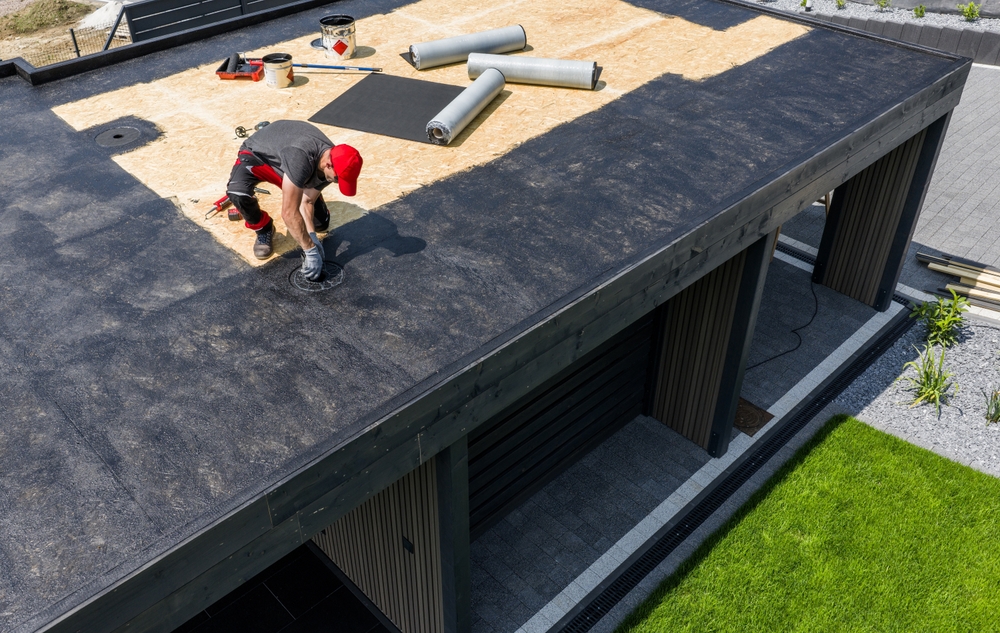
With over 10 years’ experience, Xtreme Pressure Cleaning and Roofing Service are Darlington & County Durham’s trusted choice for professional flat roofing installation, repair, and replacement services. Based in Durham, we serve homeowners and businesses throughout the region with reliable, high-quality flat roofing solutions for extensions, garages, dormer roofs, and commercial buildings. Our specialist roofing team uses proven modern flat roofing systems including EPDM rubber, GRP fibreglass, and high-performance felt that deliver long-lasting weather protection and durability. Whether you need new flat roof installation for an extension, flat roof replacement for a failing system, or emergency leak repairs, we deliver outstanding results with comprehensive guarantees and full insurance coverage. Our technicians are fully trained in flat roofing techniques and hold relevant qualifications for working at height, ensuring your flat roof is installed to the highest standards. We understand the unique challenges flat roofs present and use appropriate materials and installation methods to ensure reliable performance as part of our comprehensive roofing services.
Modern Flat Roof Systems
High-performance flat roofing using EPDM rubber membrane (25+ year life), GRP fibreglass (30+ year life), or advanced felt systems. All installations include proper insulation, vapour barriers, and adequate falls for water drainage. Superior to old-style felt roofs that typically failed within 10-15 years.
Complete Flat Roof Solutions
New installations, complete replacements, and repairs for all flat roof types. We work on domestic extensions, garages, dormer roofs, porches, and commercial premises. Includes proper edge details, outlet installation, and integration with existing structures. Often combined with fascia and gutter replacement for complete roof edge solutions.
Our flat roofing service covers all aspects of low-pitch and flat roof work for domestic and commercial properties across Darlington & County Durham. We specialise in modern flat roofing systems that vastly outperform the traditional built-up felt roofs that have given flat roofs a poor reputation. Old-style flat roofs using multiple layers of bituminous felt typically lasted only 10-15 years before failing through cracking, blistering, or ponding. Modern systems including EPDM rubber membrane and GRP fibreglass offer 25-30+ year lifespans with minimal maintenance requirements. Our comprehensive flat roof service includes new flat roof installation for extensions, conservatories, garages, and outbuildings, complete flat roof replacement where existing systems have failed, flat roof repairs for localised damage or leaks, re-covering existing flat roofs with modern membranes, installation of proper insulation and vapour control layers meeting current Building Regulations, ensuring adequate falls (gradient) for water drainage, and integrating flat roofs with existing pitched roofs using appropriate leadwork flashings. We handle Building Control notification and certification where required. Many of our flat roof clients also address related issues such as fascias and guttering during flat roof projects for comprehensive solutions. Every installation includes detailed specification, quality materials with manufacturer guarantees, and professional installation to industry standards. Our friendly team takes pride in providing reliable solutions to flat roofing problems that have often plagued properties for years. Special discounts available for over 65’s on all domestic roofing projects.

Why Choose Xtreme for Flat Roofing in Durham?
With a decade of experience serving Darlington & County Durham, we combine professional craftsmanship with specialist flat roofing expertise to deliver exceptional results. Flat roofing requires very different skills and knowledge from pitched roofing – proper falls, correct membrane installation, appropriate edge details, and adequate drainage are all critical for long-term performance. Our team includes roofers specifically experienced in modern flat roofing systems who understand the technical requirements for watertight, durable installations. We use only proven flat roofing materials from established manufacturers, ensuring your new flat roof benefits from comprehensive material warranties alongside our workmanship guarantee. Our insurance coverage includes full public liability and employers’ liability protection, giving you complete peace of mind. We’re familiar with Building Regulations requirements for flat roofs including insulation values, vapour control, and fire ratings. Our reputation is built on reliability, quality workmanship, and solving flat roofing problems that other contractors have failed to address properly. Whether you need domestic flat roofing or commercial installations, we’re here to help. We also offer roof repair services for pitched roofs on the same property. Contact us today for your free, no-obligation site survey and detailed written quotation, and discover why Darlington & County Durham homeowners and businesses trust Xtreme Pressure Cleaning and Roofing Service for all their flat roofing needs.
Areas We Serve Across Darlington & County Durham
Xtreme Pressure Cleaning and Roofing Service proudly serves properties throughout Darlington & County Durham and the surrounding areas. Our flat roofing teams regularly work in Durham City Centre, Framwellgate Moor, Newton Hall, Gilesgate, Neville’s Cross, Carrville, Pity Me, and Brasside. We also cover Chester-le-Street, Brandon, Langley Moor, Bowburn, Coxhoe, Ferryhill, Spennymoor, Bishop Auckland, and Crook. Whether you’re in a residential area requiring flat roof replacement on an extension or operating commercial premises needing reliable flat roofing for business buildings, we travel throughout the region to deliver professional flat roofing services. Our local knowledge means we understand the specific challenges Darlington & County Durham weather presents for flat roofs, from the heavy rainfall that tests drainage systems to the freeze-thaw cycles that can damage inadequate installations. Flat roofs are particularly common on post-war properties where single-storey rear extensions were built with flat roofs, many of which now require replacement as original felt systems have failed. We’re also experienced with modern flat roofing applications including contemporary architectural designs using flat roofs aesthetically. No job is too small or too large – we handle everything from small porch roofs to extensive commercial flat roofing across multiple buildings. Many of our flat roof clients also take advantage of our pressure cleaning services to refresh surrounding areas whilst we’re on site.
Our Professional Flat Roofing Process
When you choose Xtreme for your flat roofing project, you’re getting a comprehensive, professionally managed service from start to finish. We begin every project with a thorough site survey, accessing your existing flat roof to assess condition, identify problems, measure accurately, check the structural deck beneath the roof covering, and understand your specific requirements. This detailed survey is crucial for flat roofs as problems often relate to inadequate falls, poor drainage, or structural issues beneath the visible surface. We’ll photograph existing conditions and explain our findings clearly.
Our survey allows us to provide an accurate, itemised quotation specifying the flat roofing system we recommend (EPDM, GRP, or felt), explaining why we’ve recommended this system for your specific application, detailing exactly what’s included, and providing clear timescales. We discuss insulation requirements to meet current Building Regulations (U-values of 0.18 W/m²K or better for new installations), vapour control layer requirements to prevent condensation within the roof structure, drainage arrangements including outlets and falls, and edge details including drips, upstands, and fascia integration.
Once you accept our quotation, we schedule your project with realistic timescales. Typical domestic flat roof replacements take 3-5 days depending on size and complexity. We arrange any required access equipment – flat roof work often requires scaffolding for safe working and materials handling. Before work begins, we discuss access arrangements, protecting your property, and our working practices.
On day one, we erect appropriate protection for areas below the flat roof including covering patios, protecting windows, and securing the site. We then carefully strip the existing flat roof covering, working systematically whilst protecting your property from weather exposure. We inspect the structural deck (typically timber boards or OSB) for damage, rot, or inadequate support. Any damaged or inadequate decking is replaced or strengthened to provide a sound substrate for the new roof covering. Proper deck preparation is crucial – the best membrane is worthless if installed over defective decking.
For insulated flat roofs (required on most new installations and recommended for replacements), we install rigid insulation boards appropriate to the system being used. Insulation must meet or exceed Building Regulations requirements for thermal performance. We install vapour control layers where required to prevent warm, moisture-laden air from inside the building reaching cold surfaces within the roof structure where condensation would occur.
For EPDM rubber membrane installations, we install the membrane in single pieces where possible (EPDM comes in large sheets up to 15m wide), minimising seams that could potentially leak. The membrane is bonded to the deck using appropriate adhesives, carefully dressed into upstands at walls and edges, and sealed at all penetrations including outlets. EPDM corner details are particularly important and require specialist techniques. The membrane is trimmed neatly at edges and secured with appropriate edge details. EPDM provides excellent waterproofing, remains flexible at low temperatures, and offers 25+ year life expectancy.
For GRP fibreglass installations, we apply fibreglass matting saturated with resin in multiple layers to create a seamless, rigid waterproof surface. GRP is particularly suitable for complex shapes, areas with multiple penetrations, or applications requiring a walkable surface. The fibreglass is applied wet, allowed to cure, then typically finished with a topcoat providing UV resistance and colour. GRP is extremely durable with 30+ year life expectancy, forms a completely seamless waterproof membrane, and creates a rigid surface suitable for foot traffic.
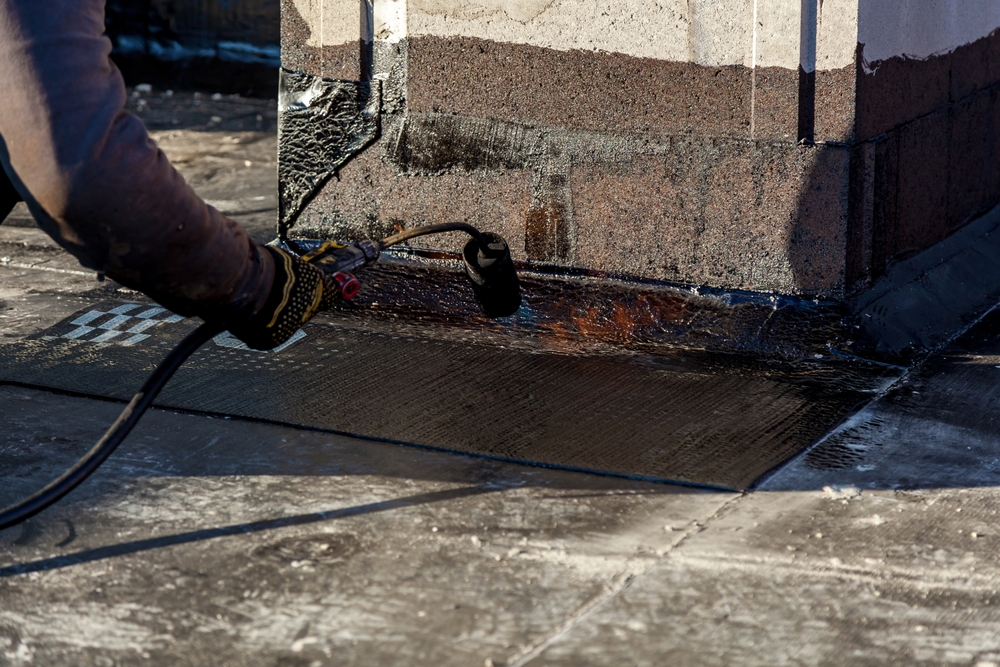
For high-performance felt systems (far superior to old-style built-up felt), we install multiple layers of modified bitumen felt using torch-on application or self-adhesive systems. Modern felt systems use polymer-modified materials offering significantly better performance than traditional felt, though they still don’t match EPDM or GRP for longevity. We only recommend felt systems for budget-conscious applications or where other systems aren’t suitable.
Regardless of system type, proper edge details are crucial for flat roof performance. We install adequate drips at roof edges to throw water clear of fascias, properly form and secure upstands where flat roofs meet walls, integrate with existing fascias and guttering effectively, and ensure all penetrations (soil pipes, vents, rooflights) are properly sealed. Where flat roofs meet pitched roofs or walls, we install proper leadwork flashings dressed to best practice standards.
Drainage is critical for flat roofs (which should actually have slight falls rather than being truly flat). We ensure adequate falls across the roof surface directing water to outlets (minimum fall 1:80, ideally 1:40), install properly sized outlets with strainers to prevent blockages, connect outlets to downpipes or drainage systems, and ensure rainwater can discharge freely without ponding. Poor drainage is a common cause of flat roof failures, so we pay particular attention to this aspect.
Throughout the project, we maintain tidy working practices, protect your property, and work efficiently to minimise the period your building is weather-vulnerable. Once roofing work is complete, we conduct comprehensive final inspection, test drainage by flooding the roof surface with water if practical, clean up thoroughly removing all waste materials, and restore access. We provide all required documentation including Building Control certification if applicable, material warranties (typically 10-25 years depending on system), and our comprehensive workmanship guarantee. Many customers complement their flat roofing with our roof cleaning service for adjacent pitched roofs.
Flat Roofing Systems We Install
Our experienced flat roofing team works with all modern flat roofing systems appropriate for Darlington & County Durham properties. EPDM rubber membrane is our most popular flat roofing system, offering exceptional performance and longevity. EPDM (Ethylene Propylene Diene Monomer) is a synthetic rubber membrane typically 1.2-1.5mm thick, supplied in large sheets allowing seamless installation on most domestic roofs. Benefits include 25-30+ year life expectancy with proper installation, remains flexible even at low temperatures preventing cracking, excellent UV and weather resistance, relatively cost-effective compared to GRP, and suitable for most applications including extensions, garages, and dormer roofs. EPDM is available in black or white finishes – white EPDM reflects heat and is increasingly popular for reducing building heat gain.
GRP fibreglass roofing offers the ultimate in flat roof durability and performance. GRP (Glass Reinforced Plastic) creates a completely seamless, rigid waterproof surface formed in-situ. Benefits include 30+ year life expectancy, seamless construction eliminates potential leak points, creates rigid walkable surface suitable for roof terraces, excellent for complex shapes and multiple penetrations, and available in various colours. GRP is more expensive than EPDM but offers superior longevity and is ideal for flat roofs requiring regular access or complex detailing.
High-performance felt systems using polymer-modified bitumen provide improved performance over traditional felt at moderate cost. Modern felt systems use materials like APP (Atactic Polypropylene) or SBS (Styrene-Butadiene-Styrene) modified bitumen offering significantly better performance than old-style felt. Benefits include 15-20 year life expectancy (better than traditional felt but shorter than EPDM or GRP), relatively economical for budget-conscious projects, and suitable for most domestic applications. We use torch-on application or self-adhesive systems depending on the specific product and application.
Single-ply membranes including TPO (Thermoplastic Polyolefin) and PVC membranes are primarily used for commercial flat roofing. These welded membrane systems offer excellent performance for large-area commercial applications. Liquid-applied membranes including polyurethane and acrylic coatings can be used for re-covering existing flat roofs, though we prefer total replacement with proper systems for long-term reliability.
We can also install green roofs (planted roofs) and brown roofs (biodiverse roofs) where structural capacity allows and Building Control approves. These systems provide ecological benefits, insulation, and aesthetic appeal but require substantial structural support. For warm deck flat roofs (insulation above the deck, most common), we install insulation above the vapour control layer and deck. For cold deck flat roofs (insulation between joists, less common now), proper ventilation is critical. Inverted roofs (insulation above the waterproofing) are occasionally specified for specific applications.
Our team will recommend the most appropriate flat roofing system for your specific application considering factors including budget, required longevity, structural capacity, access requirements, and aesthetic preferences. We provide samples and can show examples of completed installations using different systems to help you make informed decisions.
Frequently Asked Questions About Flat Roofs
How much does a flat roof cost in Durham?
Flat roof costs vary depending on size, system type, access, and complexity. A typical small domestic flat roof (10-15 square metres) for a rear extension using EPDM rubber typically costs £1,200-£2,000. Larger flat roofs (20-30 square metres) might be £2,000-£3,500. GRP fibreglass systems typically cost 30-50% more than EPDM but offer longer life expectancy. High-performance felt systems are usually 20-30% cheaper than EPDM but don’t last as long. These estimates include complete installation with proper insulation, vapour barriers, and drainage but assume reasonable access and no structural repairs. Complex roofs with multiple penetrations, difficult access, or structural work required will cost more. Commercial flat roofing is quoted individually based on area and specification. We provide detailed itemised written quotations showing exactly what’s included. Flat roof projects often qualify for VAT at reduced rate of 5% rather than standard 20% when part of renovation or alteration work, providing significant savings. Quality flat roof installation is an investment protecting your property for decades.
How long do modern flat roofs last?
Modern flat roofing systems vastly outperform traditional built-up felt roofs. EPDM rubber membranes typically last 25-30+ years with minimal maintenance. GRP fibreglass systems often last 30-40+ years and are extremely durable. High-performance polymer-modified felt systems last 15-20 years, significantly better than old-style felt (10-15 years) but shorter than EPDM or GRP. These lifespans assume proper installation with adequate falls, correct edge details, and proper maintenance including keeping drainage outlets clear. Poor installation or inadequate maintenance significantly reduces flat roof lifespan regardless of material quality. Warning signs that flat roofs are approaching end of life include visible cracks or splits in the membrane, blistering or bubbling of the surface, ponding water that doesn’t drain within 48 hours of rainfall, leaks or water stains on ceilings below, and general deterioration or loss of surface coating. If your flat roof shows these signs, replacement is typically more cost-effective than repairs for old systems.
Why does water pond on my flat roof?
Water ponding (standing water remaining more than 48 hours after rainfall) indicates inadequate falls (gradient) across the roof surface. Flat roofs should never be truly flat – proper installations include falls of at least 1:80 (ideally 1:40) directing water towards outlets. Ponding can be caused by inadequate falls designed into the original roof, structural deflection over time causing low spots, blocked or inadequate drainage outlets, or settlement of insulation or decking creating depressions. Ponding water accelerates roof deterioration by constant water exposure, freeze-thaw damage in winter, and algae growth making surfaces slippery. Solutions include installing tapered insulation to create proper falls (feasible when re-covering roofs), replacing the roof with proper falls built into the new deck, improving or adding drainage outlets, or in severe cases, strengthening structure to eliminate deflection. We assess ponding issues during surveys and recommend appropriate solutions. Persistent ponding indicates the roof needs attention – addressing it early prevents more serious damage.
Can you repair an existing flat roof or does it need replacing?
Whether flat roofs can be repaired or require replacement depends on age, system type, and damage extent. Repairs are typically appropriate when damage is localised to small areas, the roof is relatively young (less than halfway through design life), most of the roof covering remains in good condition, and underlying deck and structure are sound. We can repair localised damage including patching small splits or tears, sealing around penetrations causing leaks, replacing damaged sections of membrane, and treating blistered areas. However, replacement is usually more sensible when damage is widespread across the roof, the roof is approaching or past its design life, you’re experiencing multiple different problems, underlying deck shows deterioration, or cumulative repair costs approach 40-50% of replacement costs. Many older felt flat roofs are better replaced with modern EPDM or GRP systems offering 2-3 times the lifespan rather than repeatedly repairing failing felt. We’ll always advise honestly on the most cost-effective approach during our survey, explaining our reasoning so you can make informed decisions.
Do flat roofs need insulation?
Yes, current Building Regulations require flat roofs to achieve U-values of 0.18 W/m²K or better for new installations and work triggering Building Control notification. This typically requires 100-150mm of rigid insulation depending on the material used. Insulation isn’t just about energy efficiency – proper insulation with vapour control prevents condensation within the roof structure that causes rot and deterioration. Uninsulated or poorly insulated flat roofs commonly suffer condensation problems where warm moist air from inside the building meets cold roof surfaces, causing condensation that damages timber structures. When replacing flat roofs, we strongly recommend installing proper insulation even if not strictly required by regulations – the modest additional cost provides energy savings, prevents condensation problems, and improves comfort. For new roof installations including extensions, insulation is mandatory. We install appropriate insulation thickness and type for each application, along with vapour control layers preventing moisture reaching cold surfaces.
Can I have a flat roof on my extension or garage?
Yes, flat roofs are perfectly suitable for extensions, garages, and outbuildings when properly designed and installed using modern systems. Flat roofs offer several advantages including lower construction costs than pitched roofs, minimal impact on neighbouring properties (less overshadowing), easier to construct where height restrictions apply, and suitable where pitched roofs aren’t practical. However, flat roofs must be properly designed with adequate falls for drainage, appropriate structure to support loads and prevent deflection, proper insulation and vapour control, and quality membrane installation. Planning permission and Building Regulations apply just as with pitched roofs. Many flat roof problems stem from inadequate design or poor installation rather than flat roofs being inherently problematic. Modern materials like EPDM and GRP deliver reliable long-term performance when properly installed. We design and install flat roofs for extensions and outbuildings regularly, ensuring they meet all regulations and perform reliably. We can also advise if you’re considering dormer roof installations which often incorporate flat roof sections.
What Our Customers Say
Second time we’ve had Xtreme do some work, come highly recommended.
Looks great!
NicholaS-48
Unbelievable service , Drive and Patio are amazing
They even sorted out a problem with a door to Patio with no extra charge
Cannot speak highly enough of them