Professional Chimney Stack Repairs & Rebuilds in Darlington & County Durham
Home » Chimney Stack Repairs & Rebuilds
Get A Quote
Need expert roofing? Contact us today for your free, no-obligation quote.
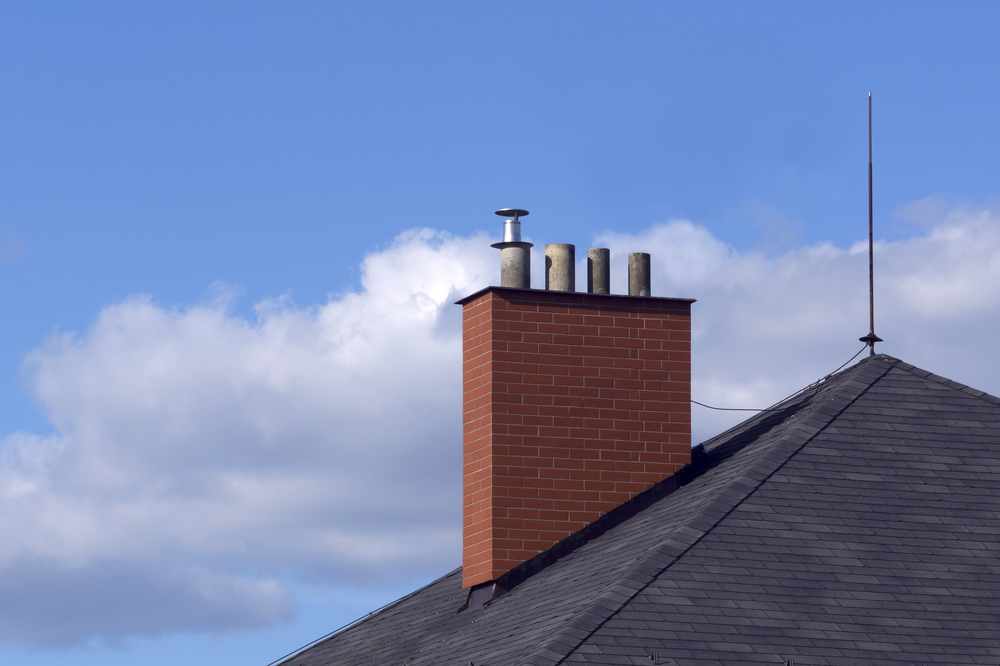
With over 10 years’ experience, Xtreme Pressure Cleaning and Roofing Service are Darlington & County Durham’s trusted choice for professional chimney stack repairs, repointing, and complete chimney rebuilds. Based in Durham, we serve homeowners throughout the region with reliable, high-quality chimney restoration services that address structural issues, prevent leaks, and restore your property’s character. Our specialist roofing team uses traditional materials and proven techniques to repair all types of chimney problems including repointing deteriorating brickwork, replacing damaged chimney pots, renewing failed leadwork flashings, and complete rebuilds of dangerous or collapsed stacks. Whether you need minor chimney repointing or complete stack reconstruction, we deliver outstanding results with comprehensive guarantees and full insurance coverage. Our technicians are fully trained in masonry work and hold relevant qualifications for working at height, ensuring your chimney repairs are completed to the highest standards with appropriate safety protocols as part of our comprehensive roofing services.
Chimney Repointing & Restoration
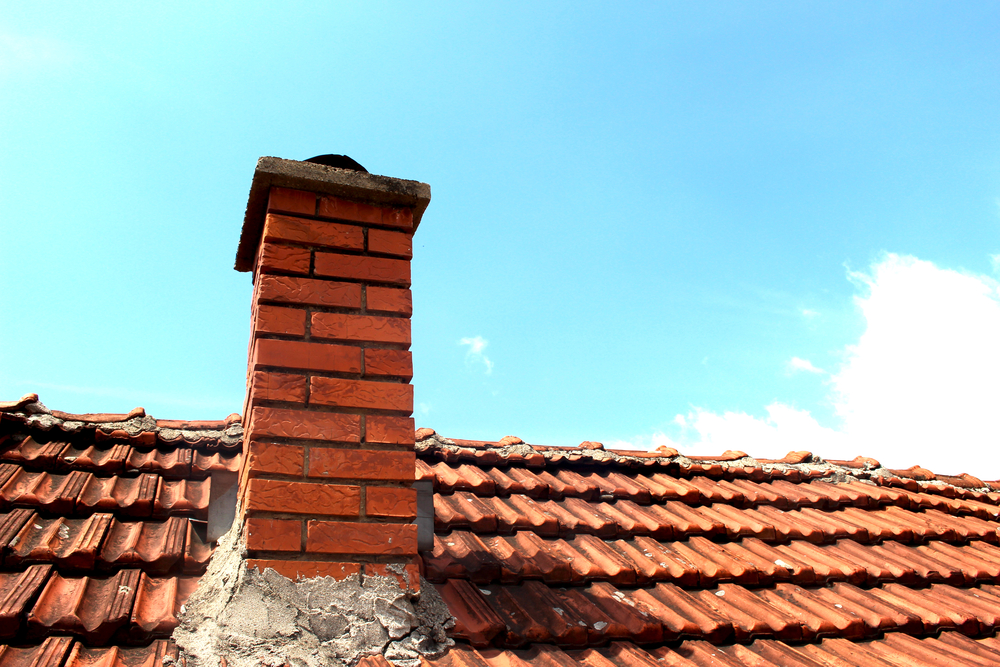
Expert repointing of deteriorating brickwork using appropriate mortar mixes. We remove failed pointing, properly prepare joints, and repoint using lime mortar for older properties or cement mortar for modern stacks. Professional work preserves your chimney's structural integrity and prevents water penetration causing internal damage.
Complete Chimney Rebuilds
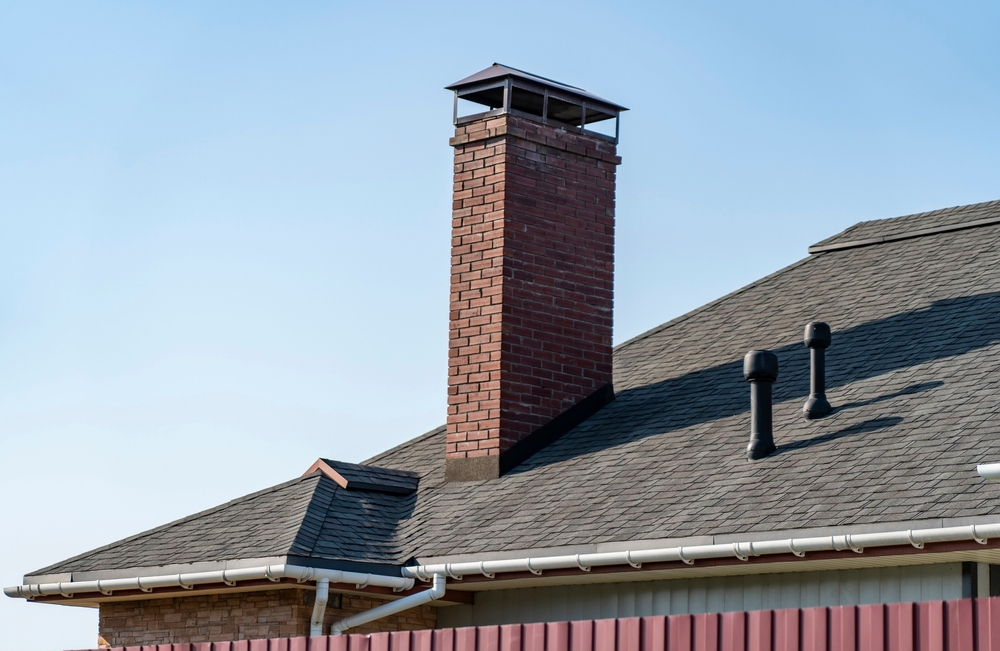
Full stack reconstruction for dangerous or severely damaged chimneys. We safely dismantle unstable stacks, rebuild using matching bricks and appropriate construction methods, install new pots and cowls, and complete with proper leadwork flashings at the base. Often identified during roof repairs or roof cleaning when we're already accessing your roof.
Our chimney repair and rebuild service covers all aspects of chimney stack maintenance and restoration for properties across Darlington & County Durham. We specialise in addressing the common problems that affect chimney stacks including deteriorating mortar pointing allowing water penetration, leaning or unstable stacks posing safety risks, cracked or spalled bricks from frost damage, damaged or missing chimney pots, failed leadwork at chimney base causing roof leaks, corbelled brickwork deterioration, and vegetation growth damaging mortar joints. Chimneys are particularly vulnerable to weather damage as they’re the most exposed part of any building, subject to wind, rain, and freeze-thaw cycles from all directions. Our comprehensive chimney service includes chimney stack repointing using appropriate mortar types, brick replacement for damaged or frost-damaged bricks, chimney pot replacement or installation of cowls and caps, complete stack rebuilds from roofline upwards, leadwork renewal at chimney base flashings, and structural repairs for leaning or unstable stacks. We use traditional materials and construction methods appropriate to your property’s age and character, ensuring repairs are sympathetic to original construction. Many of our chimney repair clients combine work with roof repairs or new roof installation to address all roofing issues comprehensively. Every project includes thorough assessment, detailed quotation, and professional completion with cleanup. Our friendly team takes pride in preserving Darlington & County Durham’s architectural heritage through quality chimney restoration work. Special discounts available for over 65’s on all domestic projects.
Why Choose Xtreme for Chimney Repairs in Durham?
With a decade of experience serving Darlington & County Durham, we combine traditional masonry skills with genuine chimney expertise to deliver exceptional repairs and rebuilds. Chimney work requires specialist knowledge of traditional construction methods, appropriate mortar mixes (particularly lime mortar for older properties), and structural assessment skills to identify dangerous conditions. Our team includes experienced bricklayers who understand period construction techniques and can match existing brickwork aesthetically and structurally. We source appropriate materials including matching bricks (often reclaimed for older properties), lime mortar for historic buildings, and traditional chimney pots to maintain character. Our insurance coverage includes full public liability protection, giving you complete peace of mind for potentially dangerous chimney work. We understand planning and Building Control requirements particularly relevant for listed buildings and conservation areas. Our reputation is built on reliability, quality craftsmanship, fair pricing, and honest advice about when chimneys need attention. Whether you need minor repointing or complete stack reconstruction, we’re here to help. Contact us today for your free, no-obligation chimney inspection and detailed written quotation, and discover why Darlington & County Durham homeowners trust Xtreme Pressure Cleaning and Roofing Service for all their chimney repair needs.
Areas We Serve Across Darlington & County Durham
Xtreme Pressure Cleaning and Roofing Service proudly serves properties throughout Darlington & County Durham and the surrounding areas. Our chimney repair teams regularly work in Durham City Centre, Framwellgate Moor, Newton Hall, Gilesgate, Neville’s Cross, Carrville, Pity Me, and Brasside. We also cover Chester-le-Street, Brandon, Langley Moor, Bowburn, Coxhoe, Ferryhill, Spennymoor, Bishop Auckland, and Crook. Whether you’re in a residential area with Victorian terraces requiring sympathetic chimney restoration or rural properties with deteriorating farmhouse chimneys, we travel throughout the region to deliver professional chimney services. Our local knowledge means we understand Darlington & County Durham’s diverse architectural heritage, from Georgian townhouses in Durham City with elaborate chimney stacks to Victorian terraces with simple functional chimneys, inter-war properties with art deco features, and rural cottages with traditional construction. We’re familiar with local building materials including bricks from regional brickworks and understand construction methods used in different periods. Chimney problems are particularly common in Darlington & County Durham due to our exposed weather conditions and the age of much of our housing stock. No job is too small or too large – we handle everything from single chimney repointing to multiple-stack rebuilds on large properties. Many of our chimney repair clients also take advantage of our roof cleaning services whilst we’re accessing their roof with scaffolding in place.
Our Professional Chimney Repair & Rebuild Process
When you contact Xtreme for chimney repairs, you’re getting a comprehensive, safety-focused service from start to finish. We begin every project with a thorough chimney inspection, safely accessing your roof to assess the stack, photograph all damage for your records, check structural stability, assess mortar condition, and identify all issues requiring attention. Chimney inspections often reveal problems not visible from ground level – leaning stacks, badly eroded brickwork, or failed flashings that are causing or will soon cause leaks.
For unstable or dangerous chimneys, we’ll advise on urgency and may recommend temporary support or emergency work to make the stack safe before comprehensive repairs. Our detailed inspection allows us to provide an accurate, itemised quotation specifying all work required, explaining why repairs are necessary, and detailing materials to be used including mortar types and any special materials needed.
Once you accept our quotation, we schedule your project with realistic timescales. Typical chimney repointing takes 2-3 days for a single stack, whilst complete rebuilds may take 4-7 days depending on stack size and complexity. We arrange appropriate access equipment – chimney work almost always requires scaffolding for safe working. We erect scaffold around the chimney stack (scaffold tower or traditional tube scaffolding depending on access and property configuration), ensuring safe working platforms and protecting your property and roof.
For chimney repointing projects, we begin by carefully removing failed pointing to appropriate depth (typically 20-25mm) using appropriate hand tools that won’t damage bricks. We never use angle grinders which damage brick edges and create excessive dust. We thoroughly clean out joints, remove all loose material and debris, and wet joints appropriately before repointing. For older properties (typically pre-1919), we use lime mortar which is softer than the bricks and allows moisture movement – using hard cement mortar on older chimneys causes brick damage through frost action and moisture entrapment. For modern properties, we use appropriate cement-based mortar mixes. We repoint using traditional techniques, properly filling joints and finishing to match existing or appropriate profiles (flush, weathered, or recessed pointing depending on the property). Proper pointing takes time – rushing creates poor results that fail quickly.
For brick replacement, we carefully remove damaged bricks, select matching replacements (often sourcing reclaimed bricks for older properties), and rebuild using appropriate mortar. Frost-damaged or spalled bricks must be replaced as they compromise the stack’s weather resistance and structural integrity. We pay particular attention to matching bond patterns and maintaining the stack’s appearance.
For chimney pot work, we safely remove damaged or unsuitable pots, check and repair the brick courses supporting pots (often damaged), and install new pots appropriate to your property’s style and period. We can supply traditional terracotta chimney pots, salt-glazed pots for period authenticity, modern functional pots, or decorative Victorian-style pots. Pots are properly bedded on mortar and securely fixed. We can also fit chimney cowls for properties with downdraught problems, bird guards to prevent nesting, or rain caps for unused flues.
For complete chimney rebuilds, we begin by carefully dismantling the existing stack from the roofline upwards, working safely with proper containment to prevent debris falling. We inspect the internal flue lining (if visible), assess the condition of brickwork below roofline, and determine the rebuild specification. Complete rebuilds involve rebuilding the stack from roofline using matching bricks (often reclaimed materials for older properties), constructing proper flue liners if required (Building Regulations require lined flues for certain applications), incorporating damp-proof courses at roofline, building proper corbelling and weathering details, and installing new chimney pots appropriately bedded and secured.
Regardless of the work type, proper leadwork at the chimney base is crucial for preventing leaks. We install or renew stepped lead flashings (where chimney meets roof slope), back gutter leadwork (upslope side of chimney), and front and side flashings, all using code 4 or code 5 lead properly dressed and secured to masonry and roof covering. Failed chimney flashings are one of the most common causes of roof leaks, so we pay particular attention to this critical detail.
Throughout the project, we maintain safe working practices, protect your roof from damage, and manage debris safely. We lower materials carefully using proper techniques, never dropping bricks or debris. Once masonry work is complete, we allow appropriate curing time (particularly important for lime mortar work), clean the stack removing mortar splashes and residue, and inspect completed work thoroughly. We then dismantle scaffolding and conduct final inspection with you to ensure you’re completely satisfied. We provide clear documentation of work completed with our comprehensive workmanship guarantee. Many customers complement their chimney work with our roof repair services for comprehensive roofing solutions.
Types of Chimney Work We Complete
Our experienced team handles all types of chimney repair and restoration work commonly needed on Darlington & County Durham properties. Chimney repointing addresses one of the most common chimney problems. We repoint using lime mortar (typically NHL 3.5 or NHL 5) for pre-1919 properties respecting traditional construction, cement-based mortar for modern properties (typically 1:6 cement:sand mix), and appropriate coloured mortars to match existing work or property character. Proper repointing involves removing failed pointing to adequate depth, cleaning joints thoroughly, using correct mortar mixes and consistency, proper filling techniques ensuring no voids, and appropriate finishing profiles.
Brick replacement addresses frost-damaged, spalled, or cracked bricks compromising the stack. We source matching bricks considering colour, texture, size, and frost resistance. For older properties, reclaimed bricks often provide the best match. Chimney rebuilds are necessary when stacks are structurally unsound, severely deteriorated, leaning dangerously, or have extensive damage beyond economical repair. Complete rebuilds involve dismantling to roofline (sometimes below if problems extend into roof space), rebuilding with appropriate materials and construction methods, incorporating proper damp-proof courses, and ensuring adequate flue provision.
Chimney pot work includes replacing cracked or damaged pots, fitting new pots to previously uncapped stacks, installing taller pots to improve draught, and fitting terminal guards or cowls. We supply various pot styles including traditional terracotta chimney pots in various sizes, decorative Victorian-style pots with ornate designs, modern functional pots for active flues, and period-appropriate pots for conservation areas. Cowl and cap installation addresses specific problems including anti-downdraught cowls for flues with draught problems, bird guards preventing nesting, rain caps for unused flues, and gas terminal guards for boiler flues.
Leadwork renewal at chimney bases addresses leak problems. We install stepped flashings on roof slopes (code 4 lead minimum), back gutter leadwork preventing water pooling, front apron flashings, and proper secret gutters where chimneys sit astride roof ridges. All leadwork is dressed and secured to best practice standards. Flue lining work includes installing flexible stainless steel liners for wood burners or solid fuel appliances, rigid pumice or clay liners for complete rebuilds, and repairing or replacing damaged clay or pumice liners in older chimneys.
Structural repairs address stability problems including installing reinforcing bars or ties for leaning stacks (less common, usually rebuilding is more appropriate), rebuilding corbelled sections that have failed, repairing cracks in stack bases, and addressing settlement problems. Rendering work for rendered chimney stacks (less common but present on some properties) includes repairing blown render, re-rendering using appropriate specifications, and treating cracked render surfaces.
Chimney removal and making good where chimneys are no longer required involves safely dismantling stacks to below roofline, capping flues appropriately (ventilated caps to prevent condensation), rebuilding roof covering over chimney position, and making good internal ceilings and walls. This is often done during new roof installations or major renovation projects. Chimney breast removal (internal work) can be coordinated with external stack work where entire chimneys are being removed, though this requires Building Control involvement for structural considerations.
We also handle decorative chimney restoration for ornate Victorian or Edwardian stacks with special features, lime wash application for traditional finishes on historic properties, and conservation area work meeting specific planning requirements for sensitive locations. Our team understands that different property types and periods require different approaches, and we use appropriate materials and techniques respecting each building’s character.
Frequently Asked Questions About Chimney Repairs
How much do chimney repairs cost in Durham?
Chimney repair costs vary significantly depending on work type, stack height, access, and materials needed. Simple chimney repointing for a single stack typically costs £400-£800 for a standard two-storey house. More extensive repointing including corbelling and complex brickwork may be £800-£1,500. Chimney pot replacement typically costs £150-£400 depending on pot type and access. Complete chimney rebuilds for single stacks usually cost £1,500-£3,500 depending on stack height, complexity, and materials (reclaimed bricks cost more than modern matching bricks). Properties with multiple stacks, very tall stacks, or requiring specialist materials will cost more. These estimates include scaffolding, materials, labour, and waste disposal. Chimney leadwork renewal (flashings) typically costs £300-£600 depending on stack size and complexity. We provide detailed itemised written quotations showing exactly what’s included with transparent pricing. The cost of proper chimney repairs is a sensible investment preventing expensive roof leaks, internal water damage, and potential stack collapse causing serious property damage or injury.
Is my chimney dangerous and does it need urgent attention?
Certain chimney conditions require urgent attention for safety. Immediate concerns include visible leaning (stack noticeably out of vertical), large cracks through stack (particularly vertical cracks), loose brickwork or mortar that could fall, partially collapsed sections, and chimney pots that are unstable or could fall. These conditions pose risks of collapse potentially causing injury or serious property damage. Less urgent but still important problems include general deteriorating pointing (not yet causing structural issues), minor cracks not affecting stability, damaged or missing chimney pots that are secure, and failed leadwork causing leaks. During inspection, we assess structural stability and advise on urgency. If we identify dangerous conditions, we’ll explain risks clearly and may recommend temporary support or emergency works before comprehensive repairs. Many chimney problems develop gradually over years – regular inspection identifies issues before they become dangerous. We provide honest assessment of urgency and never exaggerate problems, but we will be clear when chimneys need immediate attention for safety.
Can you match bricks for my old chimney?
Matching bricks for older chimneys is often possible but depends on the specific bricks. For Victorian and Edwardian properties (1850-1920), we can usually achieve good matches through reclaimed brick suppliers who stock thousands of bricks salvaged from demolished buildings. Darlington & County Durham has various regional brick types including local bricks from Durham brickworks, Accrington bricks (hard red bricks common in terraced housing), and London stocks (yellowish bricks). For Georgian and older properties (pre-1850), handmade bricks show more variation but reclaimed bricks of similar type can usually be found. For unusual or rare bricks, matching may be more challenging – we’ll assess during inspection and discuss options including sourcing closest modern equivalents, using reclaimed bricks with some colour variation, redistributing existing bricks to place newer materials in less visible locations, or accepting sympathetic repairs using bricks that complement rather than exactly match. We maintain relationships with specialist reclaimed brick suppliers and architectural salvage yards throughout the region. We’ll always show you proposed matching bricks before proceeding so you can approve the match.
Should I remove my chimney or repair it?
The decision to remove or repair chimneys depends on several factors. Reasons to retain and repair include the chimney being in active use (open fire, wood burner, boiler flue), significant contribution to property character (particularly period properties where chimneys are important architectural features), planning restrictions (listed buildings or conservation areas often require chimney retention), and structural requirements (some chimney breasts provide important lateral support). Reasons to consider removal include the chimney being completely redundant with no future use planned, extensive damage making rebuilding costly (approaching or exceeding £3,000), the stack being in dangerous condition with very poor structural integrity, and ongoing maintenance costs being prohibitive. However, chimney removal involves costs including safely dismantling stack, capping flues properly, reinstating roof covering, and making good internally. Removal often costs £1,000-£2,000, similar to basic rebuilding costs. For period properties, we generally recommend retaining chimneys even if not in active use, as they contribute significantly to character and property value. We’ll discuss options honestly during inspection, explaining costs and implications of both approaches.
Do I need Building Control approval for chimney work?
Building Control notification requirements depend on the specific work. Generally, minor repairs including repointing, brick replacement, and chimney pot replacement don’t require Building Control notification. Complete chimney rebuilds technically require notification under Building Regulations (structure and safety), though enforcement varies for like-for-like replacements. Chimney removal definitely requires Building Control involvement as it affects structure and fire safety. Installing new flue liners for solid fuel appliances or wood burners requires Building Control notification and compliance with relevant standards. Work to chimneys on listed buildings requires Listed Building Consent regardless of scope – even minor repairs may need approval. Work in conservation areas may require planning permission depending on visibility and extent. We advise on regulatory requirements during quotation and can handle Building Control liaison where required. For straightforward repairs and repointing, formal approval usually isn’t needed, though we always work to appropriate standards. For major work including rebuilds or removals, we ensure proper compliance and obtain necessary approvals.
How often should chimneys be inspected and maintained?
We recommend professional chimney inspection every 3-5 years for unused chimneys, ensuring pointing remains sound, checking for developing problems, and identifying issues before they become serious. For chimneys in active use (open fires, wood burners), annual inspection is advisable combined with professional chimney sweeping (not a service we provide, but essential for safety and efficiency). Properties with known chimney problems or previous repairs should be inspected more frequently, perhaps every 1-2 years. Warning signs between inspections that indicate chimneys need attention include visible pointing deterioration, leaning or movement, water stains on walls or ceilings near chimneys (indicating failed flashings), and loose mortar or debris falling from stacks. Darlington & County Durham’s weather conditions are particularly harsh on chimneys due to wind-driven rain and freeze-thaw cycles, so regular inspection is sensible preventative maintenance. Early identification of problems allows minor repairs preventing expensive emergency work later. During roof cleaning or roof repairs, we automatically inspect chimneys and advise if we notice problems requiring attention.
What Our Customers Say
Second time we’ve had Xtreme do some work, come highly recommended.
Looks great!
NicholaS-48
Unbelievable service , Drive and Patio are amazing
They even sorted out a problem with a door to Patio with no extra charge
Cannot speak highly enough of them